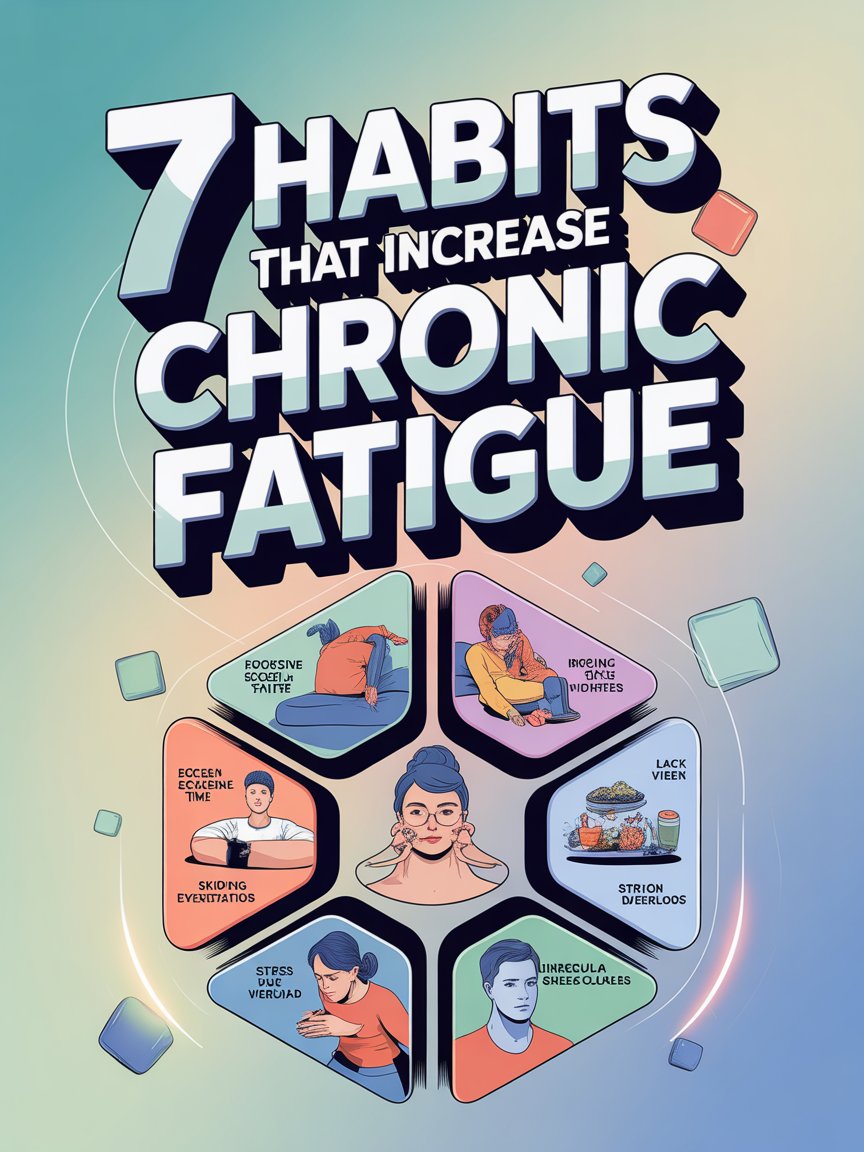

7 Habits That Increase Chronic Fatigue
Introduction
Constant exhaustion can make even simple tasks feel overwhelming. For those dealing with Chronic Fatigue Syndrome or Fibromyalgia, fatigue isn’t just tiredness—it’s a persistent lack of energy that doesn’t improve easily. Often, everyday habits play a major role in making fatigue worse over time.
1. Irregular Sleep Schedule
Going to bed and waking up at different times disrupts your body clock.
This makes it harder for your body to get deep, restorative sleep, leading to ongoing fatigue.
What to Do Instead
Maintain a consistent sleep routine, even on weekends.
2. Overexertion
Doing too much when you feel slightly better can backfire.
Pushing beyond your limits often leads to energy crashes and longer recovery periods.
What to Do Instead
Practice pacing and balance activity with rest.
3. Lack of Physical Activity
Avoiding movement can reduce energy levels further.
Inactivity slows circulation and weakens muscles, making fatigue feel worse.
What to Do Instead
Include gentle activities like walking or stretching daily.
4. Poor Diet Choices
Unhealthy foods can lead to energy spikes and crashes.
Highly processed foods and excess sugar often leave you feeling more tired.
What to Do Instead
Focus on balanced meals with whole, nutrient-rich foods.
5. Dehydration
Not drinking enough water can drain your energy quickly.
Even mild dehydration can cause fatigue, headaches, and reduced focus.
What to Do Instead
Stay hydrated throughout the day.
6. Chronic Stress
Stress uses up a lot of mental and physical energy.
Long-term stress keeps your body in a constant state of alert, leading to exhaustion.
What to Do Instead
Practice relaxation techniques like deep breathing or meditation.
7. Ignoring Rest Needs
Pushing through fatigue without proper rest can worsen symptoms.
Your body needs time to recover, and ignoring that need leads to deeper exhaustion.
What to Do Instead
Listen to your body and take breaks when needed.
Understanding Fatigue Triggers
Fatigue is often influenced by a combination of physical, emotional, and lifestyle factors. Identifying your personal triggers can help you manage your energy better.
The Importance of Balance
Balancing activity, rest, and nutrition is key to maintaining steady energy levels.
Building Better Energy Habits
Small daily changes—like improving sleep or hydration—can significantly reduce fatigue over time.
Long-Term Benefits
Avoiding these habits can lead to improved energy, better focus, and a more active daily life.
Leave a Comment